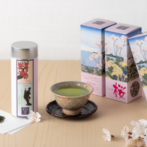
Premium Taste 3

Premium Taste 3

Discover the Flavors of Japanese Tea: Sencha, Genmaicha, and Hojicha

Japanese green tea is celebrated for its delicate flavors, rich umami, and centuries of craftsmanship. Among the most beloved varieties are Sencha, Genmaicha, and Hojicha—each with its own unique taste, aroma, and story. Whether you’re new to Japanese tea or a seasoned tea lover, understanding these teas can enhance your experience and appreciation.


Sencha – The Classic Japanese Green Tea

Sencha is the most popular tea in Japan, known for its fresh, vegetal flavor and smooth umami notes. Grown in carefully tended organic tea fields, the leaves are steamed shortly after harvest to preserve their vibrant green color and natural sweetness.

Tasting Notes:

  • Fresh, grassy aroma
  • Smooth, umami-rich flavor with gentle sweetness
  • Slightly brisk finish

Best Enjoyed:

  • Hot or cold, anytime during the day
  • Ideal for daily rituals or a mindful break

Sencha is a perfect starting point for anyone exploring Japanese teas, offering a true taste of authentic craftsmanship.


Genmaicha – The Nutty, Comforting Blend

Genmaicha is a unique Japanese tea made by blending green tea leaves with roasted brown rice. Its comforting nutty aroma and light sweetness make it a favorite across generations.

Tasting Notes:

  • Toasted, nutty aroma from roasted rice
  • Balanced flavor with light vegetal notes
  • Mild and approachable for beginners

Best Enjoyed:

  • Cozy afternoon tea or with light meals
  • A gentle introduction to Japanese green tea

Genmaicha combines tradition and comfort, making it both a flavorful and familiar choice.


Hojicha – The Warm, Roasted Japanese Tea

Hojicha is made from roasted green tea leaves, giving it a distinct toasted aroma and reddish-brown color. This roasting process reduces caffeine, creating a smooth, mellow tea perfect for evenings or for those sensitive to caffeine.

Tasting Notes:

  • Warm, nutty, and roasted aroma
  • Smooth, mild flavor with low astringency
  • Naturally low caffeine

Best Enjoyed:

  • Evening tea or after meals
  • Hot or cold for a soothing, comforting experience

Hojicha is ideal for anyone looking for a relaxing, mellow cup without bitterness, offering a taste that’s very different from traditional green teas.


Experience All Three with Premium Taste 3

For those who want to explore the full spectrum of Japanese tea flavors, our Premium Taste 3 set is the perfect choice. This curated set includes:

  • Sencha – fresh and umami-rich
  • Genmaicha – nutty and comforting
  • Hojicha – mellow and roasted

With small, convenient sizes, Premium Taste 3 is perfect for:

  • Discovering your favorite Japanese tea
  • Sampling a variety for daily enjoyment
  • Gift-giving to friends or family who love tea

Enjoy the authentic craftsmanship of Jugetsudo teas from Japan without leaving your home.

https://jugetsudousa.com/shop/premium-taste-3-teabags-[boxtb8]/

Matcha Milk Jelly

Matcha Milk Jelly

A smooth, vibrant green milk jelly where the gentle bitterness of matcha melts into creamy milk.
Surprisingly simple, yet rich and authentic in flavor.
Enjoy it drizzled over fruit or stirred into hot milk.

Ingredients

  • Matcha Doux Bio (organic matcha with organic sugar) — 20 g
  • Heavy cream — 50 cc
  • Sugar — 40 g
  • Milk — 150 cc

Instructions

  1. Pour the cream and milk into a saucepan. Cook over medium heat, stirring, until the mixture reduces to about half.
  2. Remove from the heat. Sprinkle in the matcha and whisk until completely smooth with no lumps.
  3. Return to medium heat. Once it comes to a boil, turn off the heat, transfer to another container, and let it cool.

Organic Matcha Doux (sweetened)

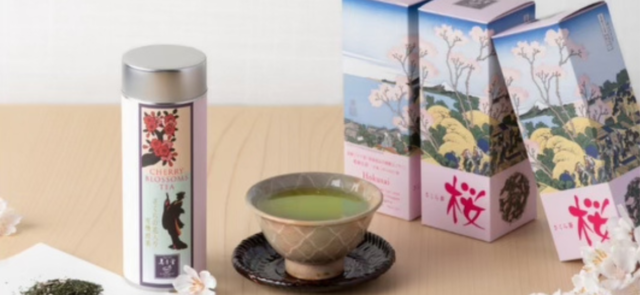
Sakura Sencha

Sakura Sencha is in season

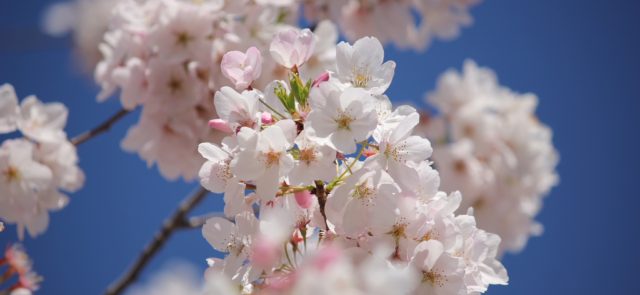
It may still be cold, and the cherry blossoms have not yet opened — but in Japan, spring has already arrived on the calendar.

Sakura Sencha is now in season. Before the petals bloom, there is a quiet anticipation in the air — a gentle shift toward longer days and softer light. This delicate blend of fresh green tea and fragrant cherry blossom captures that feeling of early spring. Light, floral, and softly sweet, it is the perfect cup for this in-between moment. 

Organic Sakura Sencha

Organic Matcha Jugetsu no Mukashi

New! Organic Matcha Jugetsu no Mukashi

This smooth, mellow matcha is cultivated through years of careful soil enrichment and sustainable organic farming. Grown without chemical fertilizers or pesticides, it captures the pure, natural taste of Japan’s tea fields in every sip.

To create this high-quality organic matcha, we have expertly blended select teas from renowned tea-growing regions — Uji (near Kyoto), Nishio (in Aichi Prefecture), and Kirishima (in Kagoshima Prefecture).

WaKocha Earl Grey

New! WaKocha Earl Grey

WaKocha – Japanese Black Tea Earl Grey
This organically grown Japanese black tea is naturally fermented, offering a smooth, mild flavor with very little bitterness. The bright, citrusy aroma of bergamot adds a refreshing accent, creating a perfectly balanced cup of Earl Grey with a distinctly Japanese touch.

https://jugetsudousa.com/shop/organic-wakocha-japanese-black-tea-earl-grey-tb-x-12/

Matcha Nature

The Natural Flavor of Organic Matcha

 Kawane, nestled deep in the mountains of Shizuoka Prefecture, has been known for exceptional tea since the Edo period. Even today, “Kawane tea” stands for purity, quality, and tradition. Our matcha is grown even deeper in the mountains, in a place so high it’s often called “the village in the sky.”

At 600 meters above sea level, this secluded tea field is naturally protected from pests, allowing for organic cultivation without pesticides. Surrounded by forested hills, it’s untouched by outside contamination. The crisp mountain air, dramatic temperature shifts between day and night, and well-draining soil all help the leaves develop rich umami flavor. Gentle mists rising from the Oi River create the perfect environment for growing vibrant, flavorful matcha—clean, safe, and truly special.

sakura1

Sakura Saku: A Poetic Tradition in Japan

In Japan, the new school year begins in April, and March is a crucial time for students awaiting college entrance exam results.

Before the internet and widespread telephones, a special telegram service was used to notify students who lived far from exam centers.

What made this service unique was its poetic wording. Successful students received a telegram saying “サクラサク” (Sakura Saku)—”The cherry blossoms are blooming,” symbolizing success and new beginnings. Those who didn’t pass received “サクラチル” (Sakura Chiru)—”The cherry blossoms are falling,” a gentle way to deliver disappointment.

This tradition reflects Japan’s deep appreciation for nature and symbolism. The cherry blossom, representing both fleeting beauty and renewal, is woven into daily life, even in something as practical as test results.

While modern technology has replaced telegrams, the phrase Sakura Saku remains familiar, reminding us how Japan blends poetry and tradition with everyday experiences.

ginger hojicha

Hojicha with Ginger

When you feel not well, a warm cup of hojicha is good comfort. This roasted green tea has toasty and smooth flavor with low caffeine, so it is good for relaxing. But do you know adding ginger slices to hojicha make it even more soothing?

Ginger is known for warming the body and used in traditional remedies for many years. It is believed to help circulation, digestion, and make cold symptoms better. When you put fresh ginger in hojicha, it adds gentle spice that matches the roasted tea taste, making a cozy and refreshing drink.

For more comfort, put few drops of honey. Honey makes flavor sweet and also good for throat and gives small energy boost.

To make, just steep hojicha like normal, then add few thin slices of fresh ginger in your cup. Let it sit for few minutes so ginger taste comes out. If you like, add honey and stir.

This easy and effective drink makes you feel warm and good, especially when you have cold or need extra comfort. Stay warm and take care!

yuzu sencha with yuzu

Winter Solstice!

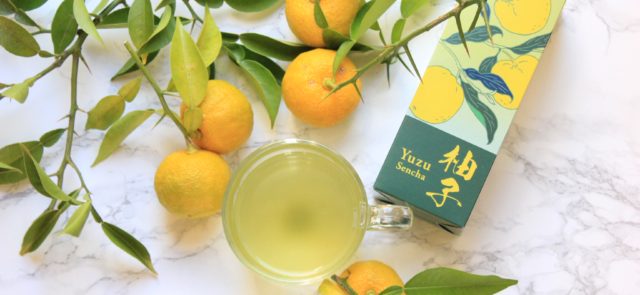
On this special day, we add yuzu to the bath water in Japan. Taking a yuzu bath on the winter solstice is a tradition symbolizing purification before welcoming good fortune. Yuzu, a fragrant citrus in season during winter, was believed to ward off evil spirits with its strong aroma. Additionally, since it takes years for yuzu to bear fruit, this practice embodies the hope that perseverance will bring rewards.

Celebrate the winter solstice with warmth and positivity—and a cup of Jugetsudo Yuzu Sencha!

Matcha Duo

New! Matcha Duo

Enjoy two delightful flavors of matcha in an easy-to-use stick format—just add hot or cold water! Made with carefully cultivated matcha, it offers a gentle, natural taste. Perfect not only as a drink but also for sprinkling over yogurt, ice cream, and more.
8 sticks (4 sticks each)
Add ½ cup water to 1 stick and mix well.

Matcha Duo
Matcha Duo